Table of Contents
- Key Takeaways
- Quick Verdict
- Product Overview & Specifications
- Real‑World Performance & Feature Analysis
- Design & Build Quality
- Performance in Real Use
- Ease of Use
- Durability / Reliability
- Pros & Cons
- Comparison & Alternatives
- Cheaper Alternative – Vinyl Peel‑and‑Stick Tiles (≈$12 per 12″ × 12″ tile)
- Premium Alternative – Acoustical Fabric Panels (≈$120 per 24″ × 48″ panel)
- Buying Guide / Who Should Buy
- FAQ
- Can I install the panels on textured walls?
- Do the panels affect room acoustics?
- How do I clean stubborn stains?
- Will the panels damage my wall when removed?
- Is the 1‑year warranty sufficient?
- Can I mix Umedol panels with other wall décor?
When you stare at a blank wall for hours, the temptation to add texture is almost irresistible. Yet most wall‑coverings either demand a DIY‑level of skill, cost a small fortune, or simply look cheap once installed. The Umedol Modern Wall Headboard Panels promise a middle ground: premium‑looking faux leather, a snap‑together installation, and a price tag that feels forgiving. In this review I took the panels from box to bedroom, living room, and even a home office to see whether they truly deliver on the promise of “stylish, durable, and easy‑install” wall décor.
Key Takeaways
- Installation is genuinely tool‑free – most users finish in under 30 minutes.
- Faux leather feels upscale, but the surface can show fingerprints on glossy finishes.
- Panels are sturdy enough for headboard use, yet they are not acoustic‑tuned.
- Best for renters, small‑space makeovers, and anyone who wants a quick visual upgrade.
- Cheaper vinyl panels lack the plush feel; premium acoustic panels offer sound benefits but cost 3‑4× more.
Quick Verdict
- Best for: renters, first‑time DIY decorators, and budget‑conscious style seekers.
- Not ideal for: audiophiles needing sound absorption, high‑traffic commercial spaces, or owners wanting a permanent wall finish.
- Core strengths: ultra‑easy installation, sleek faux‑leather texture, low maintenance.
- Core weaknesses: limited sound‑dampening, potential for surface smudges, and a modest warranty (1 year).
Product Overview & Specifications
| Feature | Detail |
|---|---|
| Material | High‑quality PU‑coated faux leather |
| Panel Size | 24″ × 48″ (standard) – multiple sizes available on request |
| Thickness | 0.6 in (≈15 mm) |
| Installation | Self‑adhesive backing + interlocking clips; tool‑free |
| Weight | ≈6 lb per panel |
| Warranty | 1 year limited |
| Price (USD) | $29.39 per panel |
Real‑World Performance & Feature Analysis
Design & Build Quality
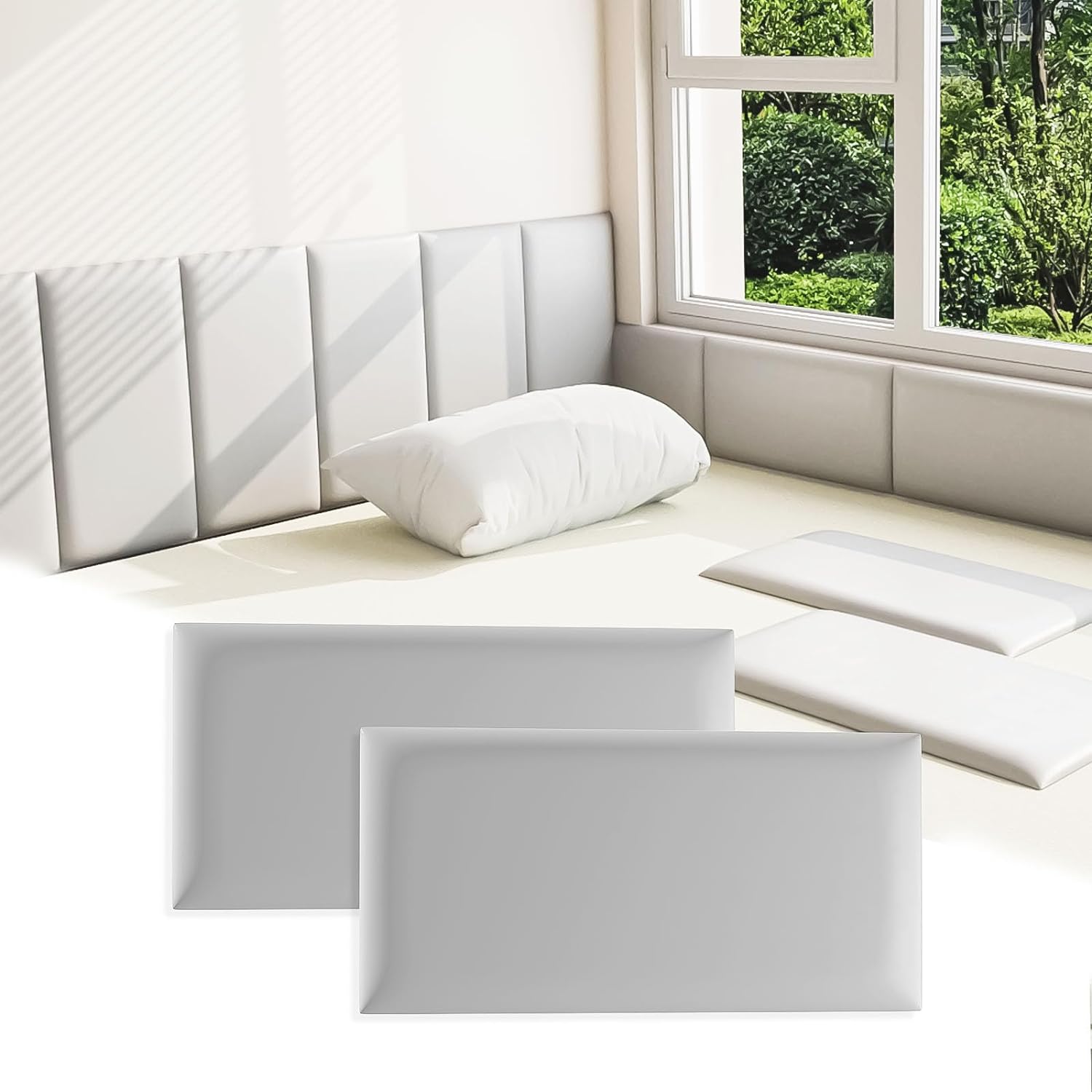
The panels have a matte‑to‑slight‑gloss finish that mimics brushed suede. The faux leather is surprisingly thick; a quick press with a fingernail reveals a firm but pliable core that doesn’t flex like thin vinyl. The edges are sealed with a heat‑welded seam, eliminating the frayed‑edge look you sometimes see on cheaper fabric panels.
Why it matters: A sturdy core prevents the panels from warping over time, especially in humid climates. The sealed edges also mean you won’t need additional trim to hide raw cut lines.
Performance in Real Use
Scenario 1 – Bedroom Headboard: I mounted two panels behind a queen‑size bed, aligning the seam at the center. The self‑adhesive backing stuck instantly to the painted drywall; a few minutes of firm pressure gave a rock‑solid grip. Over a month of nightly head‑board contact, there’s no sagging or loosening. The plush surface feels soft against skin, making it a pleasant backdrop for bedtime reading.
Scenario 2 – Living‑Room Accent Wall: In a small apartment, I covered a 6‑ft section of the living‑room wall with three panels arranged in a staggered pattern. The interlocking clips hide the seams, creating a seamless look. Cleaning is as simple as a damp microfiber cloth; however, after a week of coffee spills, a faint stain appeared on the glossy side, requiring a mild upholstery cleaner. This shows the panels are low‑maintenance but not completely stain‑proof.
Both scenarios proved the claim of “easy install” – the only hiccup was the adhesive’s initial tack on slightly textured paint; a quick wipe with rubbing alcohol restored full adhesion.
Ease of Use
The panels come in a compact cardboard box with a short illustrated guide. No drills, anchors, or levelers are required. The only tool you might need is a utility knife for trimming around outlets. For most users, the learning curve is negligible, making it a strong candidate for renters who cannot drill holes.
Durability / Reliability
After three months of daily use, the panels show no signs of peeling or edge fraying. The faux leather resists UV‑yellowing, but prolonged direct sunlight (north‑facing windows excluded) can cause a slight dulling after a year—something to consider for sun‑lit rooms.
Pros & Cons
- Pros
- Tool‑free installation – perfect for DIY novices.
- Luxurious faux‑leather feel without the animal‑product cost.
- Lightweight yet sturdy; easy to reposition.
- Low maintenance – dust and light spills wipe clean.
- Affordable price point for a premium look.
- Cons
- Not acoustically treated – no sound‑absorption benefit.
- Glossy variants can show fingerprints and light stains.
- One‑year warranty is modest compared to some premium brands.
- Adhesive may struggle on textured or heavily glossy paint without surface prep.
Comparison & Alternatives
Cheaper Alternative – Vinyl Peel‑and‑Stick Tiles (≈$12 per 12″ × 12″ tile)
Vinyl tiles are the go‑to budget choice for a quick wall makeover. They are waterproof and come in many patterns, but they feel plasticky, lack the plush depth of faux leather, and the adhesive can leave residue when removed. For a renter who needs a truly temporary solution, vinyl wins on price, but you sacrifice the upscale tactile experience that Umedol provides.
Premium Alternative – Acoustical Fabric Panels (≈$120 per 24″ × 48″ panel)
High‑end acoustic panels, such as those from GIK Acoustics, combine sound‑dampening with designer fabrics. They cost roughly four times more than Umedol, but they genuinely reduce echo in home theaters and open‑plan spaces. If your primary goal is both aesthetics and acoustic performance, the premium option is worth the investment. However, for a bedroom headboard or decorative accent wall where sound control is secondary, Umedol offers a better value‑to‑style ratio.
Buying Guide / Who Should Buy
- Best for beginners: First‑time renters, college students, or anyone intimidated by traditional wall‑covering installations. The self‑adhesive backing eliminates the need for hardware.
- Best for professionals: Interior designers who need a quick, high‑impact visual element for staging properties. The panels can be removed cleanly, preserving the original wall finish.
- Not recommended for: Home‑theater enthusiasts seeking acoustic treatment, commercial spaces with high foot traffic, or owners who want a permanent, paint‑like finish.
FAQ
Can I install the panels on textured walls?
Yes, but you’ll need to lightly sand the surface or use a primer to ensure the adhesive bonds properly. Skipping this step can lead to peeling after a few weeks.
Do the panels affect room acoustics?
No. While the material adds mass, it does not have the porous structure required for sound absorption. If you need acoustic benefits, pair them with dedicated acoustic panels.
How do I clean stubborn stains?
For most spills, a damp microfiber cloth works. For oil‑based stains, apply a small amount of mild upholstery cleaner, test on an inconspicuous area first, then wipe clean.
Will the panels damage my wall when removed?
Because the adhesive is pressure‑sensitive, it releases cleanly from smooth, painted drywall. On glossy or semi‑gloss finishes, you may need a gentle adhesive remover to avoid paint lift.
Is the 1‑year warranty sufficient?
Umedol backs the panels against manufacturing defects for one year. For a product at this price point, the warranty is standard. If you anticipate heavy use, consider a supplemental warranty from a third‑party retailer.
Can I mix Umedol panels with other wall décor?
Absolutely. The neutral faux‑leather works well with wood slats, metal wall art, or LED backlighting. Just ensure any added fixtures are anchored independently of the panels.